What Is an SSL Certificate and Why HTTPS Matters
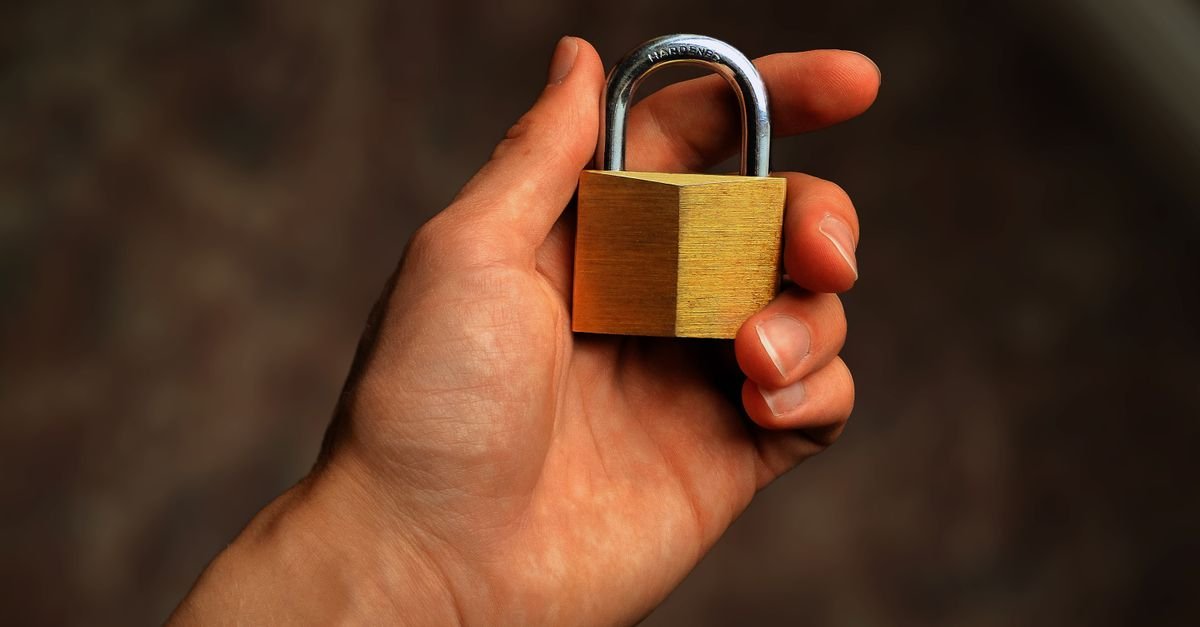
See the padlock icon next to a web address? That's an SSL certificate doing its job. It's the difference between data that travels safely and data that anyone on the network can read. Whether you run a website or just browse one, understanding SSL/HTTPS is basic digital literacy. Here's the plain version.
What an SSL certificate does
An SSL/TLS certificate does two things. First, it encrypts the connection between your browser and the website, so passwords, card numbers, and messages can't be read by anyone intercepting the traffic. Second, it verifies identity — it confirms the site is who it claims to be, issued by a trusted Certificate Authority.
HTTP vs HTTPS
The "S" in HTTPS stands for Secure. Plain HTTP sends everything in readable text; HTTPS wraps it in encryption. On open Wi-Fi (a café, an airport), an HTTP login could be captured by someone on the same network. HTTPS makes that captured data useless gibberish.
Why every site needs it now
HTTPS used to be just for checkout pages. Today it's expected everywhere:
- Browsers warn users — Chrome and others flag HTTP sites as "Not Secure", scaring visitors away.
- It's an SEO signal — Google has confirmed HTTPS as a ranking factor.
- It builds trust — the padlock is a visible signal that you take security seriously.
The good news: certificates are now free via services like Let's Encrypt, so there's no excuse not to have one.
How to check a certificate
Click the padlock in any browser to see basic details, or use our SSL certificate checker to inspect any domain's certificate — who issued it, when it expires, and whether it's valid. Expired certificates trigger scary browser warnings, so site owners should monitor expiry dates.
What the padlock does and doesn't mean
Important caveat: the padlock means the connection is encrypted, not that the site is trustworthy. Scammers can get certificates too. So HTTPS protects your data in transit, but you should still judge whether the site itself is legitimate — checking its WHOIS record and domain age helps.
Bottom line
An SSL certificate encrypts your connection and verifies a site's identity, and HTTPS is now expected on every site for security, SEO, and trust. Certificates are free, so get one; as a visitor, look for the padlock before entering anything sensitive — but remember it secures the pipe, not necessarily the site.