What Is a VPN and Do You Actually Need One?

VPNs are advertised relentlessly, often with exaggerated promises of total anonymity and invincible security. The reality is more nuanced: a VPN is a useful tool for specific situations, but it's not the magic privacy shield the ads suggest. Here's a straight explanation of what it actually does.
What a VPN does
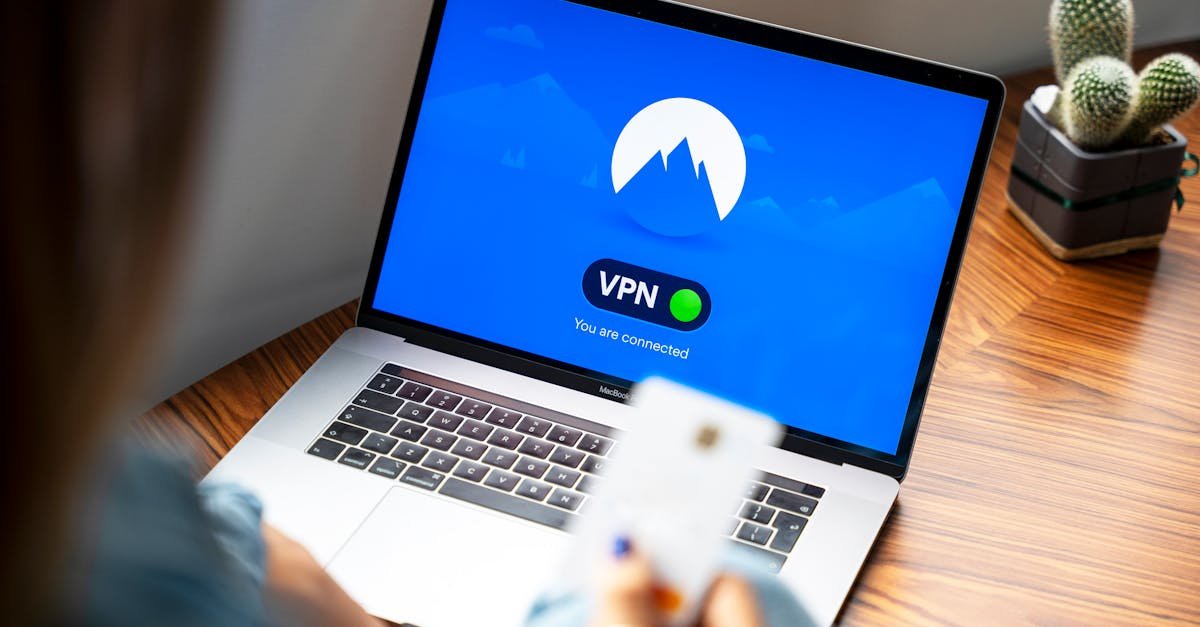
A VPN (Virtual Private Network) creates an encrypted tunnel between your device and a VPN server. Your internet traffic flows through that tunnel, so two things happen: your data is encrypted between you and the server, and the websites you visit see the VPN server's IP address instead of your real one. (Curious what your current IP reveals? Check it with What Is My IP.)
What it genuinely helps with
- Public Wi-Fi: on untrusted networks, a VPN encrypts your traffic so others on the network can't snoop. This is the strongest everyday use case.
- Hiding your IP from websites: sites see the VPN's address, not yours, which limits IP-based tracking and location detection.
- Bypassing regional blocks: connecting via another country can access region-locked content (within the service's terms).
- Privacy from your ISP: your internet provider can't see which sites you visit, only that you're connected to a VPN.
What it does NOT do
This is where the ads mislead. A VPN does not make you anonymous. Websites still track you via cookies and logins; if you sign into your accounts, you're identified regardless. It doesn't stop malware or phishing, and — crucially — you're shifting trust from your ISP to the VPN provider, who can see your traffic. A shady free VPN may be worse for privacy than no VPN at all.
Choosing a trustworthy VPN
If you use one, pick a reputable paid provider with a clear, audited no-logs policy. "Free" VPNs often monetise by logging and selling your data, which defeats the purpose. As privacy resources like the Electronic Frontier Foundation note, the provider's trustworthiness is everything.
Do you need one?
If you regularly use public Wi-Fi, want to limit IP tracking, or need region flexibility, a good VPN is worth it. If you're only ever on your secure home network and signed into your accounts anyway, the benefit is smaller. It's a useful tool for the right job — not a substitute for strong passwords, 2FA, and good habits.
Bottom line
A VPN encrypts your connection and hides your IP from the sites you visit — excellent on public Wi-Fi and for limiting tracking, but not the cloak of invisibility it's marketed as. Choose a reputable no-logs provider, understand its limits, and treat it as one layer of security among several.