Hexadecimal Explained: Why Programmers Use Base 16
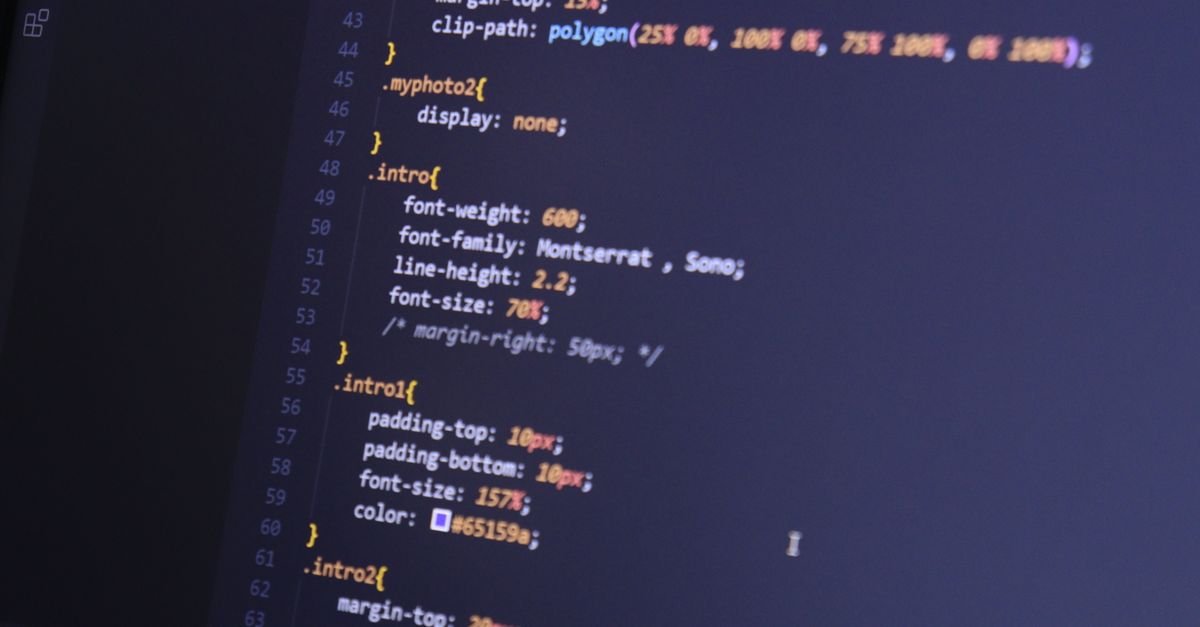
If you've used a color like #F5841F, you've used hexadecimal. Base 16 shows up constantly in programming — here's why, and how to convert it.
What base 16 means
Hex uses 16 digits: 0–9 then A–F (where A=10, B=11 … F=15). Each hex digit represents exactly 4 binary bits, and two hex digits = one byte. That tidy mapping is why programmers love it — it's a compact, human-readable shorthand for binary.
Where you'll see it
HEX color codes (each pair is the red, green, blue value 0–255), memory addresses, MD5/SHA hashes, and binary file dumps all use hex because it's far easier to read than long binary strings.
Converting
Hex to decimal: multiply each digit by its power of 16 and add. 1F = (1×16) + 15 = 31. Our free hex to decimal, decimal to hex and hex to binary converters do it instantly. For colors specifically, the HEX to RGB tool helps.
Bottom line
Hex is base 16 (0–9, A–F), and its neat 1-digit-per-4-bits relationship with binary makes it the programmer's shorthand for everything from colors to hashes. Learn the A–F values and the conversions follow naturally.